show · shoe · shoo
show /ʃoʊ/ vs shoe/shoo /ʃuː/ — a gliding diphthong vs a steady long vowel, and shoe/shoo are exact homophones.
show /ʃoʊ/ has a gliding diphthong. shoe and shoo both use the steady, tightly rounded /ʃuː/ — and are themselves exact homophones of each other.

noun/verb — a performance or display; OR to make something visible — 'a TV show' · 'show me' · 'show off'
mouth shape
diphthong /oʊ/ — lips round and glide forward — like 'go', 'know', 'grow'
show
/ʃoʊ/
vowel length
plays as: “a TV show”
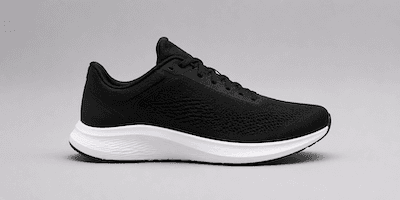
noun — an item of footwear — 'a pair of shoes' · 'tie your shoe' · 'in someone's shoes' (idiom: in their situation)
mouth shape
long /uː/ — lips round tightly and push forward, held steady, no glide — like 'blue', 'true', 'food' — a completely different vowel from show's /oʊ/
shoe
/ʃuː/
vowel length
plays as: “tie your shoe”

verb/interjection — to wave someone or something away — 'shoo the cat off the sofa' · 'shoo, go away!'
mouth shape
identical pronunciation to shoe — /ʃuː/ — an exact homophone, only the spelling and meaning differ
shoo
/ʃuː/
vowel length
plays as: “shoo the cat”
Key difference
show /oʊ/ is a diphthong — the lips round and glide forward as you say it, moving through two positions. shoe and shoo /uː/ are a single, steady long vowel — lips round tightly from the start and hold, with no glide.
Example sentences
show:“We watched a puppet show at the park.”
shoe:“One of my shoe laces came undone.”
shoo:“Shoo! Get off the couch!”
Hear it in the wild
Real speech from native speakers — the most reliable way to check a pronunciation, since automated audio can vary by device and browser.
show
Hear native speakers say “show” in real sentences — news, lectures, and podcasts.
Opens YouTube-sourced clips in a new tab.
shoe
Hear native speakers say “shoe” in real sentences — news, lectures, and podcasts.
Opens YouTube-sourced clips in a new tab.
shoo
Hear native speakers say “shoo” in real sentences — news, lectures, and podcasts.
Opens YouTube-sourced clips in a new tab.
How teachers explain this
Approved tips from the community, sorted by helpfulness
Related pairs
Comments
Comments are reviewed before they appear publicly.