poor · pour · power
poor and pour are homophones — both /pɔːr/. power looks similar but has a different diphthong /aʊ/ and two syllables: POW-er.
poor and pour are homophones — both /pɔːr/, one syllable with a long /ɔː/ vowel. power looks similar but has a completely different diphthong /aʊ/ and is TWO syllables: POW-er.

adjective — having little money or quality — 'poor family' · 'poor quality'
mouth shape
long /ɔː/ — lips round and jaw drops slightly — like 'floor', 'door', 'more' — one syllable
poor
/pɔːr/
vowel length
plays as: “the poor family”

verb — to cause a liquid to flow — 'pour a glass of water' · 'pour the sauce'
mouth shape
identical pronunciation to poor — /pɔːr/ — homophones in most accents
pour
/pɔːr/
vowel length
plays as: “pour the water”
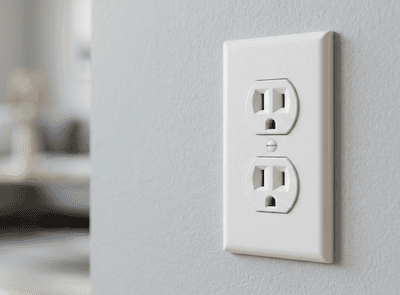
noun — strength or energy — 'power cut' · 'power station' · 'willpower'
mouth shape
diphthong /aʊ/ — mouth opens wide for /a/, glides to /ʊ/, then schwa /ər/ — TWO syllables: 'POW-er'
power
/ˈpaʊ.ər/
vowel length
plays as: “electric power”
Key difference
poor / pour /pɔːr/: one syllable, long round vowel — like floor, door. power /ˈpaʊ.ər/: two syllables — diphthong /aʊ/ then schwa — starts with a wide-open mouth like cow, how.
Example sentences
poor:“The village was very poor— few had electricity.”
pour:“Can you pour me a glass of water?”
pour:“It’s pouring with rain outside.”
power:“The storm caused a power cut across the city.”
Hear it in a sentence
“The family was too poor to afford heating during that winter.”
“She began to pour the coffee before he had even sat down.”
“The storm knocked out the power across the whole neighbourhood.”
Hear it in the wild
Real speech from native speakers — the most reliable way to check a pronunciation, since automated audio can vary by device and browser.
poor
Hear native speakers say “poor” in real sentences — news, lectures, and podcasts.
Opens YouTube-sourced clips in a new tab.
pour
Hear native speakers say “pour” in real sentences — news, lectures, and podcasts.
Opens YouTube-sourced clips in a new tab.
power
Hear native speakers say “power” in real sentences — news, lectures, and podcasts.
Opens YouTube-sourced clips in a new tab.
How teachers explain this
Approved tips from the community, sorted by helpfulness
Word families
pour family ▸
power family ▸
Comments
Comments are reviewed before they appear publicly.