park · bark
park and bark are identical except for the first sound — voiceless /p/ vs voiced /b/.
park and bark are identical except for the very first sound — voiceless /p/ vs voiced /b/. The same base pair as parking / barking, without the -ing.

noun/verb — a public green space; OR to stop and leave a vehicle — 'walk in the park' · 'park the car'
mouth shape
starts with voiceless /p/ — lips press together, then release with a puff of air, no vibration in the throat
park
/pɑːrk/
vowel length
plays as: “a walk in the park”
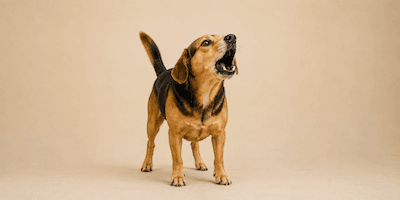
noun/verb — the outer covering of a tree; OR the sharp sound a dog makes — 'tree bark' · 'the dog began to bark'
mouth shape
identical to park except the first sound — voiced /b/ — lips press together, but the throat vibrates as they release
bark
/bɑːrk/
vowel length
plays as: “tree bark”
Key difference
Put your fingers on your throat. For bark /b/ you should feel a buzz the moment your lips open. For park /p/ there is no buzz — just a small burst of air. The rest of the word — /ɑːrk/ — is pronounced identically in both.
Example sentences
park:“We went for a walk in the park.”
bark:“The tree’s bark was rough to the touch.”
bark:“The dog gave a sharp bark at the mailman.”
Hear it in the wild
Real speech from native speakers — the most reliable way to check a pronunciation, since automated audio can vary by device and browser.
park
Hear native speakers say “park” in real sentences — news, lectures, and podcasts.
Opens YouTube-sourced clips in a new tab.
bark
Hear native speakers say “bark” in real sentences — news, lectures, and podcasts.
Opens YouTube-sourced clips in a new tab.
How teachers explain this
Approved tips from the community, sorted by helpfulness
Related pairs
Comments
Comments are reviewed before they appear publicly.