Sound Gym
mouse · mouth
Same vowel /aʊ/, different ending — /s/ vs /θ/
mouse and mouth share the exact same vowel /aʊ/ — the only difference is the final consonant: /s/ vs /θ/. The th in mouthis the voiceless “th” — a sound that doesn’t exist in Spanish or Arabic, which is why speakers of those languages often replace it with /s/, /t/, or /d/.
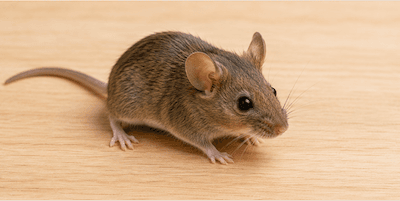
a small rodent · a computer mouse · a quiet, timid person — 'quiet as a mouse' · 'cat and mouse' · 'mouse click'
mouth shape
ends with /s/ — tongue tip rises toward the upper teeth ridge, lips close slightly, air flows smoothly — the same /s/ as in 'sun', 'bus', 'hiss' — vocal cords are silent throughout
mouse
/maʊs/
vowel length
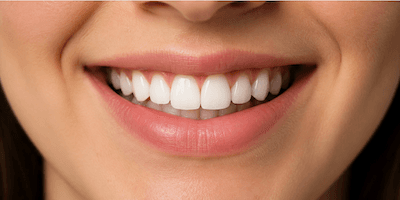
the opening in the face used for eating and speaking · to say words without making sound — 'mouth the words' · 'word of mouth' · 'keep your mouth shut' · 'mouth of a river'
mouth shape
ends with /θ/ — push your tongue tip gently between or just behind your upper and lower teeth, then blow air through — no vocal cord vibration — like 'think', 'bath', 'tooth' — do NOT press teeth together (that makes /s/ or /t/)
mouth
/maʊθ/
vowel length
plays as: “open your mouth”
/s/ vs /θ/ — where your tongue goes
mouse
/maʊs/
Tongue tip near the
upper teeth ridge
— does not touch teeth
bus · hiss · pass · yes
mouth
/maʊθ/
Tongue tip gently
between the teeth
— air pushed through
think · bath · tooth · both
How to produce /θ/
- Open your mouth slightly and stick your tongue tip gently between your upper and lower front teeth — or just touch the back of your upper teeth.
- Push a steady stream of air through the small gap. You should feel air on your fingertip if you hold it in front of your mouth.
- Keep your vocal cords silent — if you feel a buzz in your throat, you are producing /ð/ (the voiced version, as in this) instead.
Common errors: pressing your teeth together (produces /s/ or /t/) · activating your voice (produces /ð/) · touching your tongue to the roof of your mouth (produces /d/).
Hear it in a sentence
“The mouse darted behind the refrigerator before the cat could catch it.”
“She barely opened her mouth before he interrupted her.”
“He clicked the mouse to open the file.”
“Rinse your mouth with water after brushing.”
Hear it in the wild
Real speech from native speakers — the most reliable way to check a pronunciation, since automated audio can vary by device and browser.
mouse
Hear native speakers say “mouse” in real sentences — news, lectures, and podcasts.
Opens YouTube-sourced clips in a new tab.
mouth
Hear native speakers say “mouth” in real sentences — news, lectures, and podcasts.
Opens YouTube-sourced clips in a new tab.
How teachers explain this
Approved tips from the community, sorted by helpfulness
Word families
mouse family ▸
mouth family ▸
Comments
Comments are reviewed before they appear publicly.