Sound Gym
gone · gun
Short /ɒ/ vs short /ʌ/ — same /ɡ…n/ frame, one vowel change separates absence from a weapon.
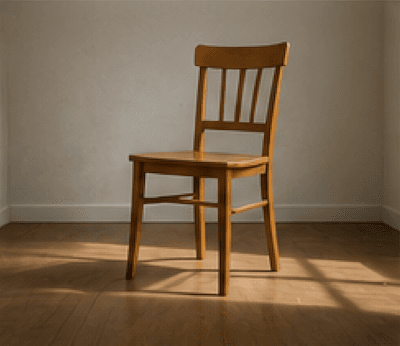
verb — past participle of go — no longer present or available — 'she has gone' · 'the money is gone' · 'gone with the wind' · 'here today, gone tomorrow'
mouth shape
short /ɒ/ — lips slightly rounded, mouth open — like 'hot', 'pot', 'on' — then /n/ nasal ending — the E is silent
gone
/ɡɒn/
vowel length
plays as: “she has gone”
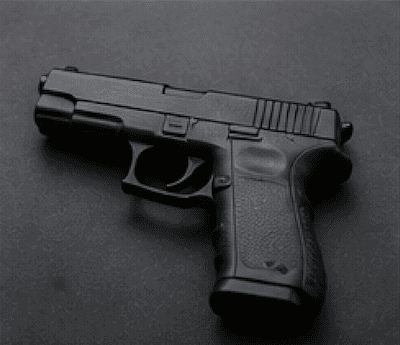
noun — a weapon that fires projectiles; OR informal for any device that projects something — 'a starter gun' · 'spray gun' · 'jump the gun' · 'son of a gun' · 'gunshot'
mouth shape
short /ʌ/ — central vowel, mouth mid-open, no lip rounding — like 'cup', 'run', 'fun' — then /n/ nasal ending — higher and more central than /ɒ/ in gone
gun
/ɡʌn/
vowel length
plays as: “a starting gun”
Vowel spotlight — /ɒ/ vs /ʌ/ — same /ɡ…n/ frame
gone
/ɡɒn/
short /ɒ/ — open, slightly rounded
like: hot · pot · on · gone
gun
/ɡʌn/
short /ʌ/ — central, no rounding
like: cup · run · fun · done
Silent E trap
The word gone is spelled with a silent E but does not follow the magic-E rule — the vowel is still short /ɒ/, not long /oʊ/. Compare: bone /boʊn/ (magic E works) vs gone /ɡɒn/ (irregular — magic E does NOT apply). The same applies to done /dʌn/, none /nʌn/, come /kʌm/.
Key difference
Same /ɡ/ and final /n/. Only the vowel differs.gone: /ɒ/— lips slightly round, mouth more open — like “hot” or “pot”.gun: /ʌ/— central, no rounding, shorter — like “cup” or “run”. Note that done, none, and one also use /ʌ/ — the same vowel as gun — despite their O spelling.
Example sentences
gone:“By the time I arrived, all the food was gone.”
gone:“She’s goneto the supermarket — she’ll be back soon.”
gun:“The athletes froze at the starting line, waiting for the gun.”
gun:“Don’t jump the gun— wait until we have all the facts.”
Hear it in a sentence
“By the time the ambulance arrived, the patient was already gone.”
“The starting gun fired and the runners surged forward as one.”
Hear it in the wild
Real speech from native speakers — the most reliable way to check a pronunciation, since automated audio can vary by device and browser.
gone
Hear native speakers say “gone” in real sentences — news, lectures, and podcasts.
Opens YouTube-sourced clips in a new tab.
gun
Hear native speakers say “gun” in real sentences — news, lectures, and podcasts.
Opens YouTube-sourced clips in a new tab.
How teachers explain this
Approved tips from the community, sorted by helpfulness
Word families
go / gone family ▸
gun family ▸
Comments
Comments are reviewed before they appear publicly.