snake · snack
Diphthong /eɪ/ vs short /æ/ — the vowel is the only difference.
snake has a long diphthong /eɪ/ — the vowel glides from open to a smile. snack has a short open /æ/ — quick, no movement. The silent -e at the end of snake is the clue: it makes the vowel long.
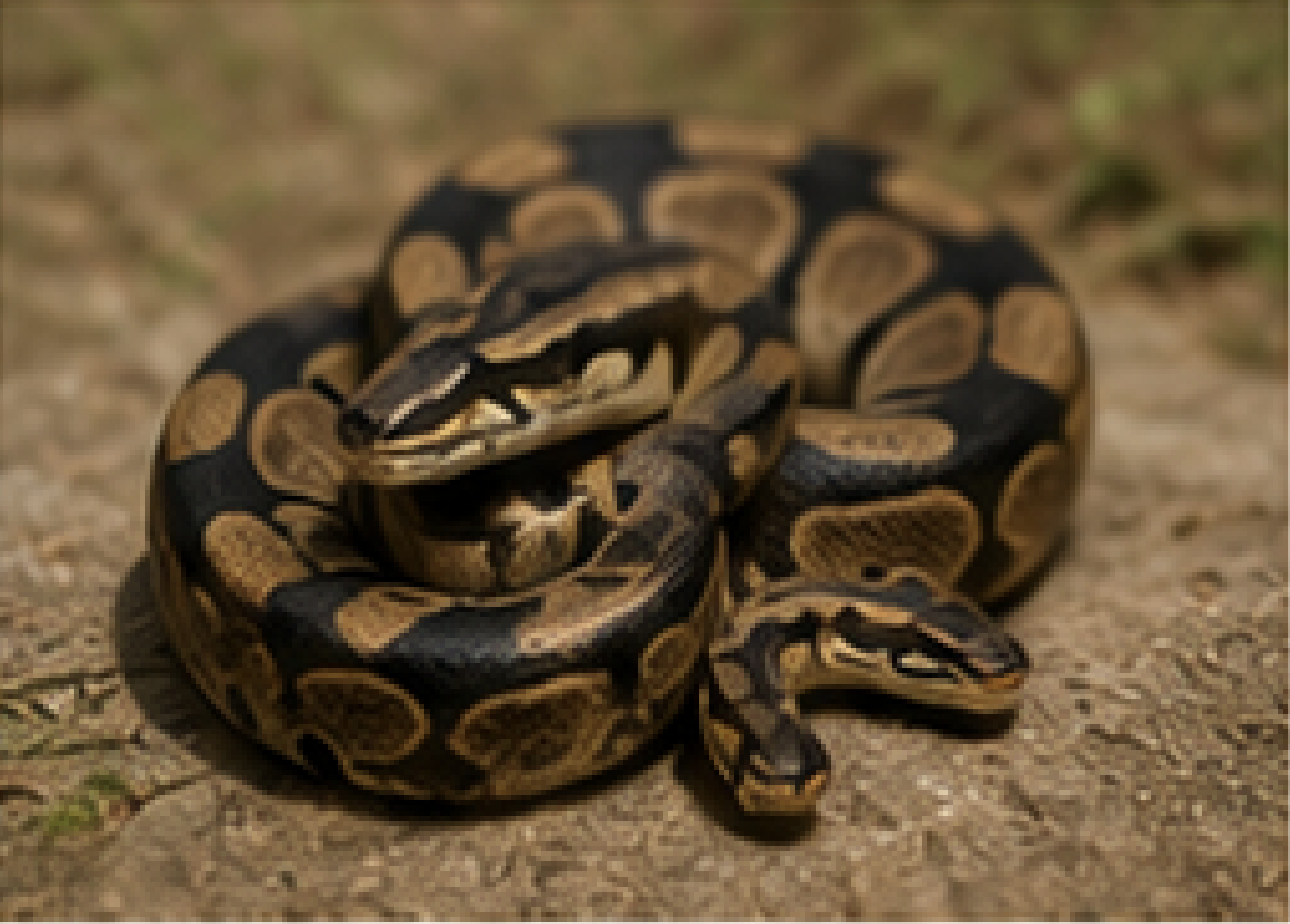
long diphthong /eɪ/ — the silent E at the end makes the vowel long and gliding
mouth shape
mouth opens ('eh') then glides up — /eɪ/ like 'say', 'day', 'make', 'take' — the vowel moves
snake
/sneɪk/
vowel length
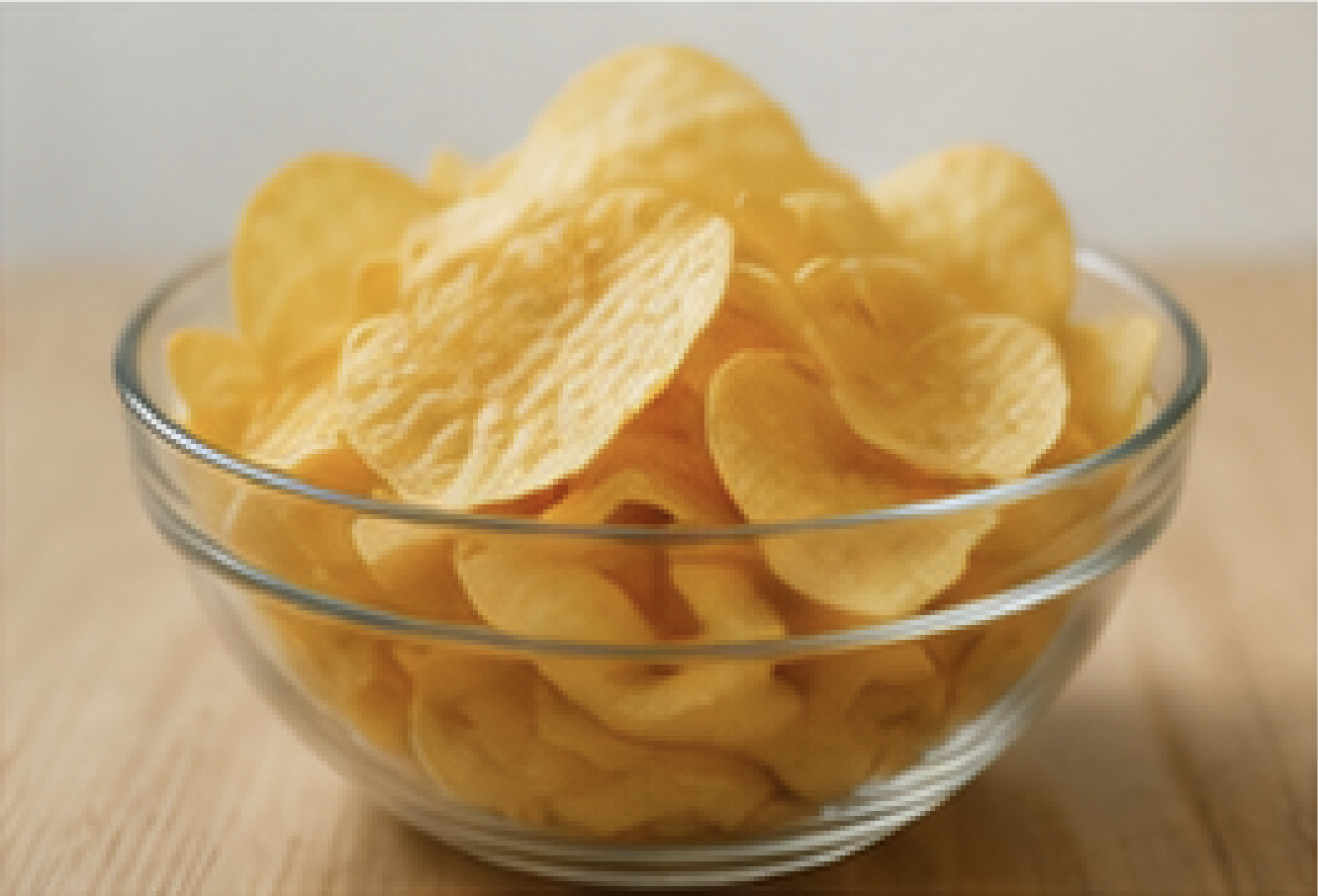
short vowel /æ/ — quick, open, no movement — no silent E here
mouth shape
jaw drops down wide — short /æ/ like 'cat', 'back', 'pack' — no glide, just open and done
snack
/snæk/
vowel length
Silent E rule
snake
silent E → long /eɪ/
make · take · lake · cake
snack
no silent E → short /æ/
back · pack · rack · track
Key difference
snake /eɪ/: the silent -e at the end makes the vowel long and gliding — mouth opens then smiles. snack /æ/: no silent -e, so the vowel stays short and open — jaw drops and stays there.
Hear it in a sentence
“A snake slithered across the stone path and vanished into the grass.”
“She grabbed a quick snack between meetings — just an apple and some nuts.”
Hear it in the wild
Real speech from native speakers — the most reliable way to check a pronunciation, since automated audio can vary by device and browser.
snake
Hear native speakers say “snake” in real sentences — news, lectures, and podcasts.
Opens YouTube-sourced clips in a new tab.
snack
Hear native speakers say “snack” in real sentences — news, lectures, and podcasts.
Opens YouTube-sourced clips in a new tab.
How teachers explain this
Approved tips from the community, sorted by helpfulness
Word families
snake family ▸
snack family ▸
Comments
Comments are reviewed before they appear publicly.