set · sit · sight · site
set /sɛt/ vs sit /sɪt/ vs sight/site /saɪt/ — three vowels on the same s_t frame, and sight/site are exact homophones.
Four words, three vowels. set has short /ɛ/ — tongue stays low. sit has short /ɪ/ — tongue rises higher. sight and site add a third, completely different vowel — diphthong /aɪ/ — and are themselves exact homophones of each other.
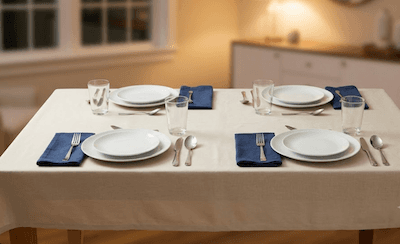
verb/noun — to place / a collection — 'set the table' · 'a set of keys'
mouth shape
short /ɛ/ — mouth half-open, tongue mid-low — like 'bed', 'pen', 'help'
set
/sɛt/
vowel length
plays as: “set the table”

verb — to rest on a seat — 'sit down' · 'sit still' · 'sat (past tense)'
mouth shape
short /ɪ/ — tongue rises higher than for /ɛ/, jaw closes slightly — like 'bit', 'him', 'pin'
sit
/sɪt/
vowel length
plays as: “sit down”
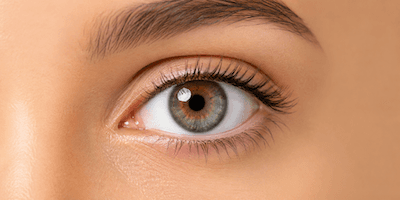
noun — the ability to see, or something worth seeing — 'lose your sight' · 'a beautiful sight' · 'love at first sight'
mouth shape
diphthong /aɪ/ — a third, completely different vowel from set and sit — starts low and open, glides up — like 'night', 'light', 'right'
sight
/saɪt/
vowel length
plays as: “a beautiful sight”
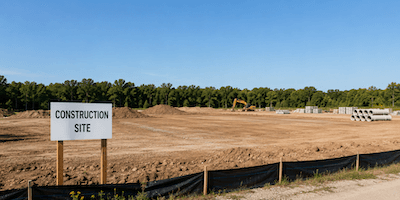
noun — a location, especially for building or a website — 'construction site' · 'website' · 'a historic site'
mouth shape
identical pronunciation to sight — /saɪt/ — an exact homophone, only the spelling and meaning differ
site
/saɪt/
vowel length
plays as: “a construction site”
Key difference
set /ɛ/: tongue is lower — mouth opens more — like bed, pen. sit /ɪ/: tongue is higher — mouth closes slightly — like bit, him. Put your hand under your chin: it drops more for set than for sit. sight and site /aɪ/: a diphthong — the vowel glides from low to high — nothing like the short vowels in set or sit.
Example sentences
set:“Set the alarm for 7am.”
set:“I bought a set of six cups.”
sit:“Please sit down and make yourself comfortable.”
sit:“The cat likes to sit in the sun.”
sight:“The sunset was a beautiful sight.”
site:“They are building a new hospital on that site.”
Hear it in a sentence
“She set the table for six and lit the candles just before guests arrived.”
“He told the dog to sit, and it obeyed immediately.”
Hear it in the wild
Real speech from native speakers — the most reliable way to check a pronunciation, since automated audio can vary by device and browser.
set
Hear native speakers say “set” in real sentences — news, lectures, and podcasts.
Opens YouTube-sourced clips in a new tab.
sit
Hear native speakers say “sit” in real sentences — news, lectures, and podcasts.
Opens YouTube-sourced clips in a new tab.
sight
Hear native speakers say “sight” in real sentences — news, lectures, and podcasts.
Opens YouTube-sourced clips in a new tab.
site
Hear native speakers say “site” in real sentences — news, lectures, and podcasts.
Opens YouTube-sourced clips in a new tab.
How teachers explain this
Approved tips from the community, sorted by helpfulness
Word families
set family ▸
sit family ▸
Comments
Comments are reviewed before they appear publicly.