Sound Gym
Mary · marry · merry
/ɛər/ vs /æ/ vs /ɛr/ — a three-way distinction that depends on your accent
Dialect note
Many American English speakers pronounce Mary, marry, and merry identically — all as /ˈmɛri/. This is called the Mary–marry–merry merger and is the dominant pattern in most of the United States. In British English and some formal or careful speech, all three are distinct: Mary carries a diphthong /ɛər/(like “hair”), marry uses a short /æ/(like “cat”), and merry uses a plain short /ɛ/(like “bed”). This page focuses on that three-way distinction — it is a reliable contrast in British English, not a hard rule for all speakers.
In accents that keep the distinction: Mary rhymes with hairy and fairy — a diphthong glides from /ɛ/ toward /ə/ before the /r/. Marry rhymes with carry and harry — jaw drops wide for a short /æ/. Merry rhymes with very and berry — a steady short /ɛ/, no glide.

a common given name — also: Virgin Mary · Mary Queen of Scots · Bloody Mary · Mary Poppins
mouth shape
🇬🇧 diphthong /ɛər/ — MAIR-ee — starts at /ɛ/ (mid-front, like 'bed') then glides toward /ə/ before the /r/ — like 'hair', 'bear', 'fair'. 🇺🇸 many Americans instead say a plain short /ɛ/ — /ˈmɛri/ — identical to merry
Mary
🇬🇧 /ˈmɛər.i/ · 🇺🇸 /ˈmɛr.i/
vowel length
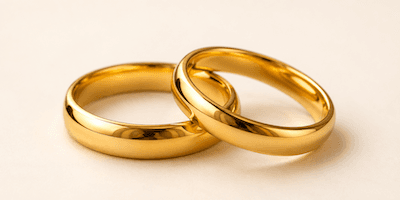
verb — to become someone's spouse in a wedding ceremony — 'will you marry me?' · 'they got married last June' · 'marry into money' — in most American accents, merges with Mary and merry
mouth shape
🇬🇧 short /æ/ — MA-ree — jaw drops wide, tongue low and forward — like 'cat', 'hat', 'bad' — in accents that keep the three-way distinction, this is different from both Mary and merry. 🇺🇸 many Americans instead say a plain short /ɛ/ — /ˈmɛri/ — identical to Mary and merry
marry
🇬🇧 /ˈmær.i/ · 🇺🇸 /ˈmɛr.i/
vowel length
plays as: “will you marry me”

adjective — happy and cheerful — 'Merry Christmas' · 'eat, drink and be merry' · 'merry-go-round' · 'make merry'
mouth shape
short /ɛ/ — MER-ee — a simple short vowel, no glide — like 'bed', 'red', 'very' — no diphthong, just a steady /ɛ/ before the /r/ — 'Merry Christmas'
merry
/ˈmɛr.i/
vowel length
plays as: “merry Christmas”
🇬🇧 Three vowels before /r/ — British pronunciation
In most American accents, all three merge into one sound — see the Dialect note above.
Mary
/ˈmɛər.i/
diphthong /ɛər/ — glides
hairy · fairy · dairy · wary
marry
/ˈmær.i/
short /æ/ — jaw drops wide
carry · harry · tarry
merry
/ˈmɛr.i/
short /ɛ/ — steady, no glide
very · berry · ferry · terry
Key difference
In British English: Mary— let your tongue glide slightly as you say the vowel, like the start of “air” — /ɛər/. Marry — drop your jaw wide for a flat, short vowel, like “cat” — /æ/. Merry — hold the vowel steady with no glide, like the vowel in “bed” — /ɛ/. If you speak American English and already merge these, that’s completely correct for your dialect.
Hear it in a sentence
“Mary sent a handwritten card to every guest who attended the wedding.”
“They decided to marry in the same church where her parents had married.”
“The children were in a merry mood all morning, singing and dancing around the kitchen.”
“Eat, drink, and be merry — that was the motto of the evening.”
Hear it in the wild
Real speech from native speakers — the most reliable way to check a pronunciation, since automated audio can vary by device and browser.
Mary
Hear native speakers say “Mary” in real sentences — news, lectures, and podcasts.
Opens YouTube-sourced clips in a new tab.
marry
Hear native speakers say “marry” in real sentences — news, lectures, and podcasts.
Opens YouTube-sourced clips in a new tab.
merry
Hear native speakers say “merry” in real sentences — news, lectures, and podcasts.
Opens YouTube-sourced clips in a new tab.
How teachers explain this
Approved tips from the community, sorted by helpfulness
Word families
Mary family ▸
marry family ▸
merry family ▸
Comments
Comments are reviewed before they appear publicly.