bite · bait
bite /baɪt/ vs bait /beɪt/ — both are diphthongs ending in /t/, but the starting point of the glide is different: /aɪ/ starts with a wide-open jaw, /eɪ/ starts with the mouth more closed.

verb or noun — to cut or grip with teeth — 'bite the apple' · 'a mosquito bite' · 'bite your nails' · 'bite the bullet'
mouth shape
diphthong /aɪ/ — jaw drops WIDE open first, then glides up to close — like 'kite', 'night', 'fight' — the starting position is very low
bite
/baɪt/
vowel length
plays as: “take a bite”
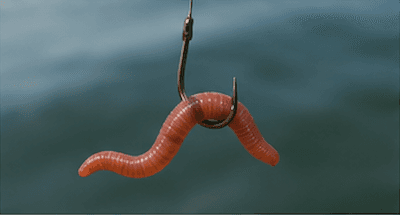
noun or verb — food used to attract fish or animals, OR to lure someone — 'fishing bait' · 'bait the hook' · 'don't take the bait'
mouth shape
diphthong /eɪ/ — starts with a MID-open position (not as low as bite), then glides to a smile — like 'wait', 'date', 'late'
bait
/beɪt/
vowel length
plays as: “fishing bait”
Diphthong starting position — where your jaw begins
bite /aɪ/ — starts VERY LOW
bite
/baɪt/
/a/ → jaw wide open — then glide up
like: kite · night · sky · my
bait /eɪ/ — starts MID-HEIGHT
bait
/beɪt/
/e/ → mid-open — then glide to smile
like: wait · date · late · make
Key difference
Both are diphthongs ending in /t/. For bite /aɪ/, start with your jaw dropped as low as it goes — like saying “ah” — then glide up. For bait /eɪ/, start in a mid-high position — like saying “eh” — then glide forward to a smile. The starting height is the key: very low vs mid.
Example sentences
bite:“She took a big bite out of the apple.”
bite:“The dog doesn’t bite — he’s very gentle.”
bait:“He put some worms on the hook as bait.”
bait:“Don’t take the bait — he’s just trying to provoke you.”
Hear it in a sentence
“She tried not to bite her nails during the exam.”
“The fishermen used squid as bait for the deep-sea catch.”
Hear it in the wild
Real speech from native speakers — the most reliable way to check a pronunciation, since automated audio can vary by device and browser.
bite
Hear native speakers say “bite” in real sentences — news, lectures, and podcasts.
Opens YouTube-sourced clips in a new tab.
bait
Hear native speakers say “bait” in real sentences — news, lectures, and podcasts.
Opens YouTube-sourced clips in a new tab.
How teachers explain this
Approved tips from the community, sorted by helpfulness
Word families
bite family ▸
bait family ▸
Related pairs
Comments
Comments are reviewed before they appear publicly.