eyes · ice
eyes /aɪz/ vs ice /aɪs/ — same /aɪ/ diphthong, differ only in the final consonant: voiced /z/ (vocal cords vibrate) vs voiceless /s/ (just air). Sound nearly identical to many learners.
👂 These sound nearly identical — spot the tiny difference
/aɪz/ vs /aɪs/
Same /aɪ/ vowel — only the final consonant differs: voiced /z/ vs voiceless /s/
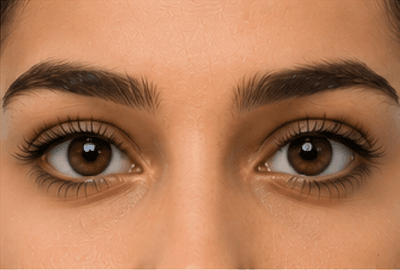
plural of 'eye' — the organs of sight — 'close your eyes' · 'brown eyes' · 'eyes wide open'
mouth shape
diphthong /aɪ/ + voiced /z/ at the end — mouth opens wide then glides up, vocal cords stay on for the /z/ buzz
eyes
/aɪz/
vowel length
plays as: “her eyes”
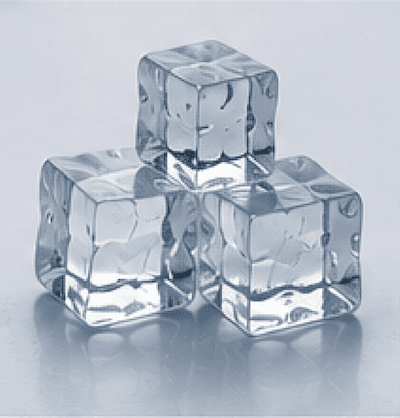
noun — frozen water — 'ice cube' · 'ice cream' · 'break the ice' · 'on thin ice'
mouth shape
diphthong /aɪ/ + voiceless /s/ at the end — same vowel as eyes, but end with a hiss /s/ — vocal cords stop before the final consonant
ice
/aɪs/
vowel length
plays as: “a block of ice”
Voiced /z/ vs voiceless /s/ — feel the difference
eyes ends in /z/
Put your hand on your throat. When you say eyes, your vocal cords keep vibrating all the way to the end — you can feel the buzz.
ice ends in /s/
When you say ice, your vocal cords stop before the final consonant — you end with a pure hiss, no vibration.
Key difference
Both words share the exact same diphthong /aɪ/. The only difference is the final consonant: eyes ends with the voiced /z/ (like a buzzing bee), while ice ends with the voiceless /s/ (like a hissing snake). Place a finger on your throat to feel the vibration stop on ice.
Example sentences
eyes:“She has beautiful green eyes.”
eyes:“Close your eyes and listen.”
ice:“Can I have some ice in my drink?”
ice:“The roads are covered in ice this morning.”
Hear it in a sentence
“She closed her eyes and listened to the rain on the roof.”
“The roads were covered in black ice by six in the morning.”
Hear it in the wild
Real speech from native speakers — the most reliable way to check a pronunciation, since automated audio can vary by device and browser.
eyes
Hear native speakers say “eyes” in real sentences — news, lectures, and podcasts.
Opens YouTube-sourced clips in a new tab.
ice
Hear native speakers say “ice” in real sentences — news, lectures, and podcasts.
Opens YouTube-sourced clips in a new tab.
How teachers explain this
Approved tips from the community, sorted by helpfulness
Word families
eye family ▸
ice family ▸
Comments
Comments are reviewed before they appear publicly.