tap → tape · tub → tube
Magic E in action — short /æ/ becomes diphthong /eɪ/, and short /ʌ/ becomes long /uː/.
The Magic E Rule
Adding a silent ‘e’ to the end of a word makes the vowel say its name — and the E itself is never pronounced.
Illustrated examples
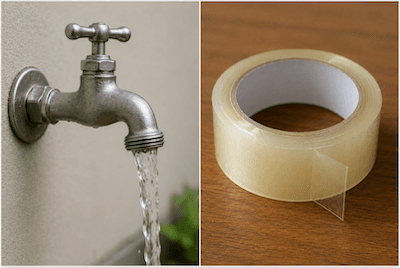
/tæp/
short /æ/
/teɪp/
diphthong /eɪ/
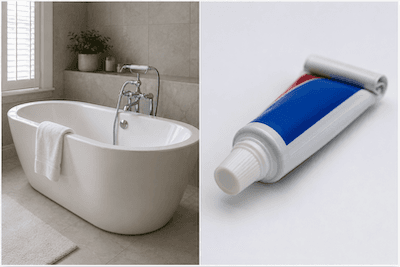
/tʌb/
short /ʌ/
/tjuːb/
long /uː/
What’s happening to the vowel
The vowel letter is ‘a’. Without the E it gives short /æ/ — flat, jaw wide, like “cat”. Add the E and the vowel says its name: /eɪ/ — a gliding diphthong, like “name”. Same pattern: cap → cape, man → mane, pan → pane.
The vowel letter is ‘u’. Without the E it gives short /ʌ/ — relaxed and central, like “cup”. Add the E and the vowel says its name: /uː/ — lips push forward in a tight circle, like “moon”. Same pattern: cub → cube, cut → cute, hug → huge.
Example sentences
tap:“Turn off the tapwhen you brush your teeth.”
tape:“Use sticky tapeto seal the parcel before posting it.”
tub:“She filled the tubwith hot water and bath salts.”
tube:“Squeeze the tubeof toothpaste from the bottom.”
Pattern summary
A-E pattern
/æ/ → /eɪ/
tap → tape · cap → cape · man → mane · pan → pane
U-E pattern
/ʌ/ → /uː/
tub → tube · cub → cube · cut → cute · hug → huge
Hear it in a sentence
“He left the kitchen tap running and flooded the sink.”
“She used masking tape to mark the edges before painting the walls.”
“The children splashed in the bath tub for nearly an hour.”
“She squeezed the last of the toothpaste out of the tube.”
Hear it in the wild
Real speech from native speakers — the most reliable way to check a pronunciation, since automated audio can vary by device and browser.
tap
Hear native speakers say “tap” in real sentences — news, lectures, and podcasts.
Opens YouTube-sourced clips in a new tab.
tape
Hear native speakers say “tape” in real sentences — news, lectures, and podcasts.
Opens YouTube-sourced clips in a new tab.
tub
Hear native speakers say “tub” in real sentences — news, lectures, and podcasts.
Opens YouTube-sourced clips in a new tab.
tube
Hear native speakers say “tube” in real sentences — news, lectures, and podcasts.
Opens YouTube-sourced clips in a new tab.
How teachers explain this
Approved tips from the community, sorted by helpfulness
Comments
Comments are reviewed before they appear publicly.