syllable · syllabus
Both start SIL-uh- — the only difference is the ending: /bəl/ vs /bəs/.
Both words share the same start: SIL-uh-. The only difference is the ending — syllable ends with /bəl/ and syllabus ends with /bəs/. Stress falls on the first syllable in both.
Syllable breakdown
syllable
SIL · uh · bul
syllabus
SIL · uh · bus
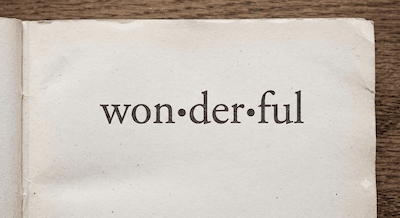
a unit of pronunciation — 'cat' has one syllable, 'butter' has two
mouth shape
3 syllables — SIL-uh-bul — stress on first: short /ɪ/, then two unstressed schwa sounds
syllable
/ˈsɪl.ə.bəl/
vowel length
a course outline — 'the syllabus lists all the topics we will cover'
mouth shape
3 syllables — SIL-uh-bus — stress on first: same pattern as syllable, but ends with /bəs/
syllabus
/ˈsɪl.ə.bəs/
vowel length
Key difference
Both start identically: SIL-uh-. The only difference is the word ending: syllable ends with -bəl(like “able”), while syllabus ends with -bəs(like “bus”).
Example sentences
syllable:“How many syllables does ‘beautiful’ have?”
syllabus:“The syllabus says the exam is in week 10.”
Hear it in a sentence
“The word 'beautiful' has three syllables: beau-ti-ful.”
“The course syllabus listed twelve required readings for the semester.”
Hear it in the wild
Real speech from native speakers — the most reliable way to check a pronunciation, since automated audio can vary by device and browser.
syllable
Hear native speakers say “syllable” in real sentences — news, lectures, and podcasts.
Opens YouTube-sourced clips in a new tab.
syllabus
Hear native speakers say “syllabus” in real sentences — news, lectures, and podcasts.
Opens YouTube-sourced clips in a new tab.
How teachers explain this
Approved tips from the community, sorted by helpfulness
Word families
syllable family ▸
syllabus family ▸
Comments
Comments are reviewed before they appear publicly.