shin · chin · shine
shin /ʃɪn/ vs chin /tʃɪn/ — same vowel /ɪ/, only the initial consonant changes. shin vs shine /ʃaɪn/ — same /ʃ/ start, but a silent E turns the short /ɪ/ into the diphthong /aɪ/.
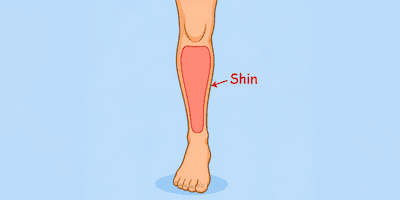
noun — the front part of the lower leg, between the knee and the ankle — 'shin bone' · 'I bumped my shin' · 'shin guards'
mouth shape
fricative /ʃ/ + short /ɪ/ + /n/ — /ʃ/ is a smooth continuous hiss, like 'shh' — no burst of air at the start
shin
/ʃɪn/
vowel length
plays as: “shinn”
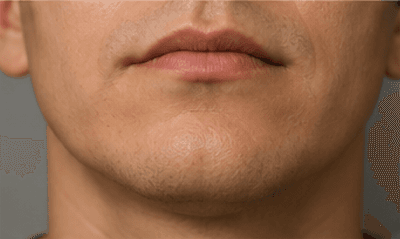
noun — the bottom part of the face below the mouth — 'chin up!' · 'double chin' · 'chin strap' · 'keep your chin up'
mouth shape
affricate /tʃ/ + short /ɪ/ + /n/ — /tʃ/ starts with a tiny /t/ burst then releases into a hiss — feel the difference from the smooth /ʃ/ in shin
chin
/tʃɪn/
vowel length
plays as: “keep your chin up”

verb / noun — to give out or reflect light; OR brightness — 'the sun is shining' · 'shine a light' · 'rain or shine' · 'shoe shine'
mouth shape
same fricative /ʃ/ as shin, but the vowel glides — /aɪ/ starts open ('ah') then rises toward 'ee' — like 'time', 'like', 'mine' — the silent E is what changes shin's flat /ɪ/ into this glide
shine
/ʃaɪn/
vowel length
plays as: “shine a light”
Fricative vs Affricate spotlight — shin vs chin
/ʃ/ — fricative
Smooth and continuous
Air flows through your teeth non-stop. No burst. Like “shhhh” to tell someone to be quiet.
shin · shine · shoe · ship · ash · wish
/tʃ/ — affricate
Starts with a stop, then hisses
Tongue blocks air briefly (the /t/), then releases into a hiss. A two-part sound.
chin · chair · church · catch · each
Magic E connection — shin → shine
Adding a silent E to shin gives shine — and changes the vowel from short /ɪ/ to diphthong /aɪ/. Same fricative /ʃ/ at the start, same pattern as win → wine, fin → fine, pin → pine. The E is silent but it “reaches back” to lengthen and glide the vowel.
Key difference
shin vs chin: same vowel /ɪ/ — only the start changes. /ʃ/ is a smooth, uninterrupted hiss (shin); /tʃ/ starts with a tiny t-like stop before the hiss (chin).
shin vs shine: same /ʃ/ start — only the vowel changes. Short, flat /ɪ/ (shin) becomes the gliding diphthong /aɪ/ (shine), because of the silent E.
Example sentences
shin:“He kicked the ball and hurt his shin.”
shin:“Football players wear shin guards for protection.”
chin:“She rested her chin on her hands while thinking.”
chin:“Chin up! Things will get better.”
shine:“The sun began to shine as soon as the storm passed.”
shine:“Could you shine a light over here? I can’t see.”
Hear it in a sentence
“She banged her shin on the corner of the coffee table.”
“He rested his chin on his hands and stared out of the window.”
“The sun began to shine as soon as the storm passed.”
Hear it in the wild
Real speech from native speakers — the most reliable way to check a pronunciation, since automated audio can vary by device and browser.
shin
Hear native speakers say “shin” in real sentences — news, lectures, and podcasts.
Opens YouTube-sourced clips in a new tab.
chin
Hear native speakers say “chin” in real sentences — news, lectures, and podcasts.
Opens YouTube-sourced clips in a new tab.
shine
Hear native speakers say “shine” in real sentences — news, lectures, and podcasts.
Opens YouTube-sourced clips in a new tab.
How teachers explain this
Approved tips from the community, sorted by helpfulness
Word families
shin family ▸
chin family ▸
shine family ▸
Comments
Comments are reviewed before they appear publicly.