fan · fun · fine
Three vowels, same consonant frame — short /æ/ vs short /ʌ/ vs diphthong /aɪ/ — none of these words sound alike.
Three-way vowel contrast
fan, fun, and fine all start with /f/ and end in /n/ — but their vowels are completely different: /æ/, /ʌ/, and /aɪ/. None of these words sound alike.
fan
/fæn/
short /æ/
fun
/fʌn/
short /ʌ/
fine
/faɪn/
diphthong /aɪ/
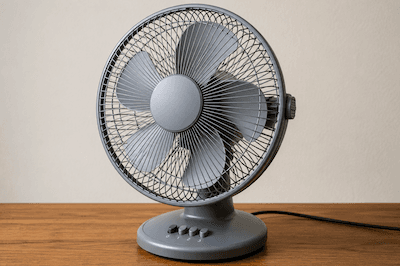
noun — (1) a device that moves air, either electric or handheld — 'ceiling fan' · 'electric fan' · 'fan out'; (2) an enthusiast or supporter — 'a huge fan of jazz' · 'fan club' · 'fandom' — short for 'fanatic'
mouth shape
short /æ/ — FAN — jaw drops wide, tongue low and forward, lips spread — the same flat vowel as 'cat', 'man', 'can' — very open and bright — nothing like the rounded /ʌ/ in fun or the gliding /aɪ/ in fine
fan
/fæn/
vowel length
plays as: “an electric fan”

noun / adjective — enjoyment or something that provides it — 'have fun' · 'fun-sized' · 'funfair' · 'it was great fun' · 'for fun' — informal adjective: 'a fun activity', though some grammarians prefer 'enjoyable'
mouth shape
short /ʌ/ — FUN — mouth relaxed and open, lips neutral — the same central vowel as 'sun', 'run', 'cup' — not as open as /æ/, not as high as /aɪ/ — a quick, unstressed vowel
fun
/fʌn/
vowel length
plays as: “have fun”

adjective / noun / verb — (1) of high quality — 'fine wine' · 'fine art' · 'fine print'; (2) satisfactory or well — 'I'm fine' · 'that's fine'; (3) a financial penalty — 'parking fine' · 'pay a fine'; (4) verb: to penalise — 'she was fined £50'
mouth shape
diphthong /aɪ/ — FYNE — starts open at /a/ then glides upward toward /ɪ/ — lips spread as you glide — like 'mine', 'time', 'line' — the silent E changes fin /fɪn/ → fine /faɪn/
fine
/faɪn/
vowel length
plays as: “fine art”
Vowel spotlight — /æ/ vs /ʌ/ vs /aɪ/
fan
/fæn/
short /æ/ — flat, jaw wide
like: cat · man · can · tan
fun
/fʌn/
short /ʌ/ — relaxed, neutral
like: sun · run · cup · mug
fine
/faɪn/
diphthong /aɪ/ — glides upward
like: mine · time · line · wine
Spelling patterns — why the vowel letters differ
ain fan → short /æ/. A single ‘a’ before a consonant with no silent E — can, man, pan, ran, tan, van.
uin fun → short /ʌ/. In English, the letter ‘u’ very commonly produces /ʌ/ — sun, run, cup, mud, but, cut, gun, bun.
i…ein fine → diphthong /aɪ/. The silent E after the consonant lengthens the vowel: fin /fɪn/ → fine /faɪn/ — the Magic E rule. Also: mine, wine, line, dine, pine.
Key differences
fan: short /æ/ — jaw drops wide, tongue flat and forward — like “cat” or “man”. The most open vowel of the three.
fun: short /ʌ/ — mouth relaxed, lips neutral, tongue central — like “sun” or “run”. Shorter and less open than /æ/.
fine: diphthong /aɪ/ — starts open and glides upward as lips spread — like “mine” or “time”. The only moving vowel of the three; the silent E triggers it.
Example sentences
fan:“Turn the fan on — it’s too hot in here.”
fan:“She’s a huge fan of jazz — she’s seen Miles Davis live three times.”
fun:“We had so much fun at the festival — definitely going back next year.”
fun:“Learning a language is hard work, but it can also be fun.”
fine:“The restaurant served a very fine bottle of wine.”
fine:“The weather is fine today — perfect for a walk in the park.”
fine:“She was given a £100 fine for speeding through the school zone.”
fine:“The council will fine shops that leave rubbish on the pavement.”
Hear it in a sentence
“The ceiling fan stirred the warm air without actually cooling the room.”
“The children had fun at the fair despite the unpredictable weather.”
“He said he was fine, but she could tell he was absolutely exhausted.”
Hear it in the wild
Real speech from native speakers — the most reliable way to check a pronunciation, since automated audio can vary by device and browser.
fan
Hear native speakers say “fan” in real sentences — news, lectures, and podcasts.
Opens YouTube-sourced clips in a new tab.
fun
Hear native speakers say “fun” in real sentences — news, lectures, and podcasts.
Opens YouTube-sourced clips in a new tab.
fine
Hear native speakers say “fine” in real sentences — news, lectures, and podcasts.
Opens YouTube-sourced clips in a new tab.
How teachers explain this
Approved tips from the community, sorted by helpfulness
Word families
fan family ▸
fun family ▸
fine family ▸
Comments
Comments are reviewed before they appear publicly.