fall · fail · fill · Phil
Four vowels starting with /f/: /ɔː/ · /eɪ/ · /ɪ/ · /ɪ/ — fill and Phil are homophones; Phil is never /fiːl/.
fill = Phil — exact homophones
fill and Phil are pronounced identically: /fɪl/. fall and fail are different.
Common mispronunciation — Phil ≠ feel
Many non-native speakers say Phil as /fiːl/ (feel) — but the correct vowel is short /ɪ/, not long /iː/. Phil rhymes with fill, bill, hill — not with feel, real, deal.
fall
/fɔːl/
long /ɔː/
fail
/feɪl/
diphthong /eɪ/
fill
/fɪl/
short /ɪ/ = Phil
Phil
/fɪl/
short /ɪ/ = fill

noun or verb — to drop down or descend; OR the season of autumn (American English) — 'fall asleep' · 'fall down' · 'fall in love' · 'the fall of Rome'
mouth shape
long /ɔː/ — FAWL — lips round, jaw drops, mouth moderately open — like 'call', 'hall', 'tall' — a steady, rounded vowel held for longer
fall
/fɔːl/
vowel length
plays as: “autumn fall”
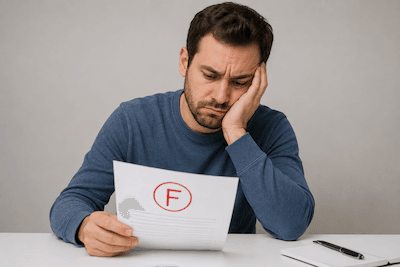
verb or noun — to not succeed or meet a required standard — 'fail an exam' · 'fail to show up' · 'without fail' · 'epic fail'
mouth shape
diphthong /eɪ/ — FAYL — starts mid-front then glides upward — like 'bail', 'tail', 'mail' — the vowel moves; it is not the round /ɔː/ of fall nor the clipped /ɪ/ of fill
fail
/feɪl/
vowel length
plays as: “fail an exam”

verb — to make something full; OR to put something into a container or space — 'fill the glass' · 'fill in a form' · 'fill the gap' · 'fill someone's shoes'
mouth shape
short /ɪ/ — FIL — tongue high, mouth nearly closed, short and clipped — like 'bill', 'hill', 'mill' — NOT /fiːl/ (feel) which is long — this is a clipped, quick vowel
fill
/fɪl/
vowel length
plays as: “fill the glass”

proper noun — a given name, short for Philip or Philippe — also the root of Philadelphia (Phil + delphia, from Greek 'brotherly love') — often mispronounced as 'feel' /fiːl/ by non-native speakers
mouth shape
identical to fill — short /ɪ/ — FIL — same pronunciation — Phil rhymes with fill, bill, hill — NOT feel /fiːl/ — many non-native speakers say 'feel' but the correct sound is the clipped short /ɪ/
Phil
/fɪl/
vowel length
Four vowels — all starting with /f/
fall
/fɔːl/
long /ɔː/ round
call · tall · wall
fail
/feɪl/
diphthong /eɪ/ glides
bail · tail · mail
fill
/fɪl/
short /ɪ/ clipped
bill · hill · mill
Phil
/fɪl/
short /ɪ/ = fill
≠ feel /fiːl/
Philadelphia — the city of brotherly love
The name Philadelphia starts with Phil /fɪl/ — from Greek phílos (loving) + adelphós (brother). So Phila-del-phia literally means “brotherly love.” The Ph- spelling comes from Greek, where Φ (phi) makes the /f/ sound — same as phone, photo, pharmacy, philosopher.
Key differences
fall: long /ɔː/ — lips round, jaw drops — like “call”.
fail: diphthong /eɪ/ — vowel glides up — like “mail”.
fill / Phil: short /ɪ/ — clipped, high tongue — like “bill”. NOT /iː/ (feel).
Example sentences
fall:“Be careful not to fallon the icy path.”
fail:“If you don’t study, you might failthe exam.”
fill:“Could you fillmy glass with water?”
Phil:“Phil/fɪl/ is flying to Philadelphia tomorrow.”
Hear it in a sentence
“She watched the leaves fall from the oak tree onto the wet grass.”
“He was determined not to fail the driving test a second time.”
“She asked him to fill out the form and return it by Thursday.”
“Phil arrived early and helped set up the chairs before the others.”
Hear it in the wild
Real speech from native speakers — the most reliable way to check a pronunciation, since automated audio can vary by device and browser.
fall
Hear native speakers say “fall” in real sentences — news, lectures, and podcasts.
Opens YouTube-sourced clips in a new tab.
fail
Hear native speakers say “fail” in real sentences — news, lectures, and podcasts.
Opens YouTube-sourced clips in a new tab.
fill
Hear native speakers say “fill” in real sentences — news, lectures, and podcasts.
Opens YouTube-sourced clips in a new tab.
Phil
Hear native speakers say “Phil” in real sentences — news, lectures, and podcasts.
Opens YouTube-sourced clips in a new tab.
How teachers explain this
Approved tips from the community, sorted by helpfulness
Word families
fall family ▸
fail family ▸
fill / Phil family ▸
Comments
Comments are reviewed before they appear publicly.