aunt · ant
In American English these are homophones. In British English aunt has a longer /ɑː/ vowel.
🌍 Two accents, two pronunciations of “aunt”
🇺🇸 American English
/ænt/
sounds identical to ant
🇬🇧 British English
/ɑːnt/
longer, like “arm” or “car”

noun — the sister of one's parent, or the wife of one's parent's sibling — 'Aunt Sarah' · 'my favorite aunt' — American /ænt/ sounds identical to ant; British /ɑːnt/ has a longer, deeper vowel.
mouth shape
American: /ænt/ — jaw drops wide, like 'can' or 'hat'. British: /ɑːnt/ — jaw drops and mouth opens wider, back of throat, like 'car' or 'palm'
aunt
🇺🇸 /ænt/ · 🇬🇧 /ɑːnt/
vowel length
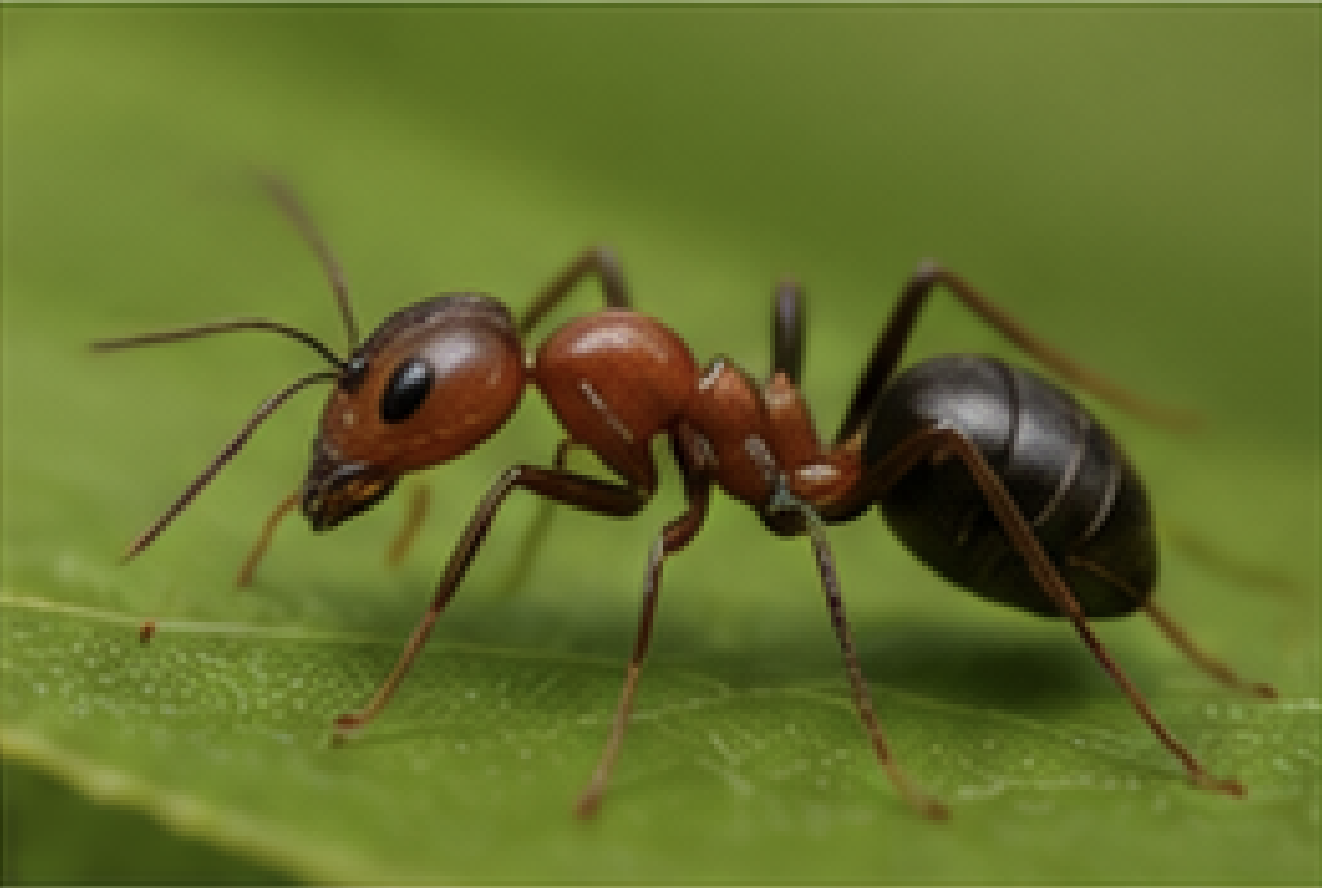
a small insect — in American English, sounds exactly like 'aunt'
mouth shape
jaw drops wide — short /æ/ like 'cat', 'can', 'hand' — same as American pronunciation of aunt
ant
/ænt/
vowel length
The /æ/ vs /ɑː/ contrast
/æ/
SHORT open vowel
cat · hat · man · can
jaw drops, mouth wide
/ɑː/
LONG back vowel
car · arm · palm · bath
jaw drops, back of throat
The /ɑː/ vs /æ/ distinction appears in many British vs American differences: bath/path/laugh/can’t all have /ɑː/ in British English and /æ/ in American English.
Key difference
In American English, aunt and ant are homophones — both /ænt/. In British English, aunt is /ɑːnt/ with a longer, deeper vowel — like the a in car or arm. Ant is always /ænt/ in both accents.
Example sentences
aunt:“My aunt lives in London.”
ant:“There is an ant on the table!”
ant:“The ant carried food three times its weight.”
Hear it in a sentence
“Her aunt flew in from Sydney just for the wedding.”
“An ant carried a crumb three times its own size across the patio.”
Hear it in the wild
Real speech from native speakers — the most reliable way to check a pronunciation, since automated audio can vary by device and browser.
aunt
Hear native speakers say “aunt” in real sentences — news, lectures, and podcasts.
Opens YouTube-sourced clips in a new tab.
ant
Hear native speakers say “ant” in real sentences — news, lectures, and podcasts.
Opens YouTube-sourced clips in a new tab.
How teachers explain this
Approved tips from the community, sorted by helpfulness
Word families
aunt family ▸
ant family ▸
Related pairs
Comments
Comments are reviewed before they appear publicly.